

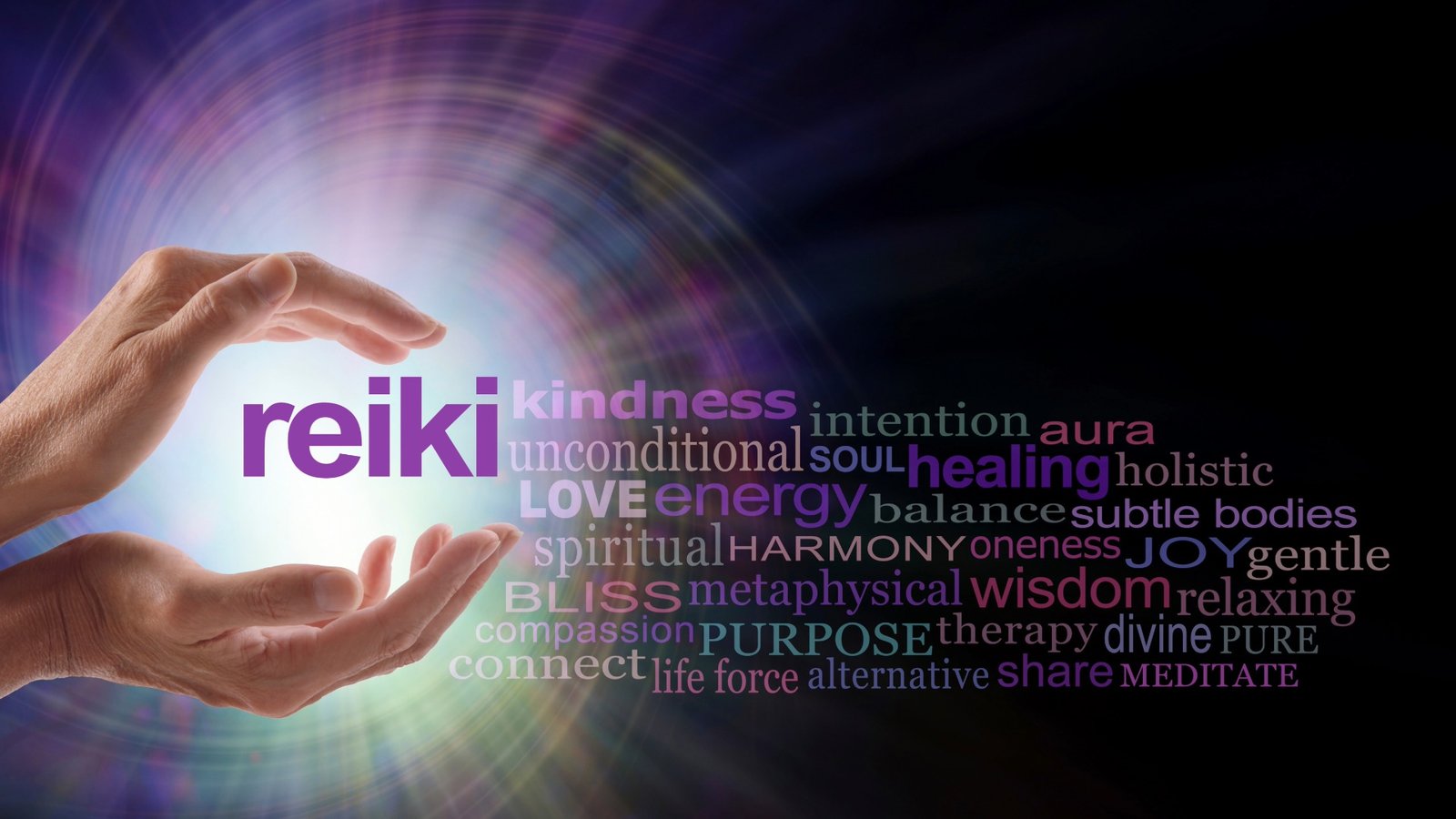
A Self-Care-Centred Beginning
Welcome to Level 1 of the Reiki Certification Series.
Beginning a Reiki practice does not require you to know everything about Reiki.
You do not need to be able to explain every experience you may have. You do not need to immediately develop a strong sensation in your hands. You do not need to become an experienced practitioner before you begin.
You simply need a willingness to pause, become present, and explore the practice with an open and grounded mind.
At Moon Petal Healing, we believe that Reiki practice is best approached as a gradual process.
You learn.
You practise.
You observe.
You reflect.
And over time, your understanding develops through experience.
This is why self-Reiki is at the centre of Level 1.
Before learning how to offer Reiki to another person, you are encouraged to establish your own relationship with the practice. This gives you an opportunity to become familiar with preparation, intention, hand positions, stillness, boundaries, and the many different ways a Reiki practice may feel from one day to another.
There is no requirement to have the same experience twice.
There is no requirement to experience anything dramatic.
And there is no need to compare your practice with someone else’s.
Your practice is your own.

What Is This Reiki Path?
The Moon Petal Healing Reiki Certification Series follows a three-level progression based on Usui Reiki practice.
Each level introduces new areas of study while building upon the foundation established previously.
Level 1 — Foundations
Level 1 is where you establish the foundation.
You will explore:
- the roots and spirit of Usui Reiki;
- the Five Reiki Principles;
- grounding and centering;
- Gassho Meditation;
- preparing for Reiki practice;
- self-Reiki and core hand positions;
- offering Reiki in person;
- consent and physical boundaries;
- holding space for another person;
- practitioner self-care; and
- responsible Reiki practice.
The central question of Level 1 is:
How can I develop a steady and respectful Reiki practice for myself and, when appropriate, share that practice with others?

Level 2 — Deepened Practice
Level 2 builds on the foundation you establish in Level 1.
You will be introduced to the Reiki symbols included within this training and explore their traditional uses in personal Reiki practice.
You will also learn approaches to distance Reiki and examine the importance of intention, permission, boundaries, communication, and ethical practice when the recipient is not physically present.
The central question of Level 2 becomes:
How can I deepen my Reiki practice while maintaining clarity, consent, responsibility, and grounded intention?

Reiki Master — Teaching & Responsibility
The Master level marks a new stage of responsibility.
Becoming a Reiki Master is not simply about learning another symbol or receiving another attunement.
It involves preparing to teach.
A teacher has responsibilities not only toward Reiki practice but also toward students: how information is communicated, how boundaries are maintained, how expectations are established, and how certification is handled.
The Master level therefore explores both the practical and ethical dimensions of becoming a Reiki teacher.
The central question becomes:
How can I teach and pass on Reiki practice with integrity, humility, clarity, and care?

Beginning With Self-Care
Self-care is sometimes presented as something complicated—a long routine that requires considerable time, special equipment, or perfect conditions.
Reiki practice does not need to be approached that way.
A self-care-centred Reiki practice can be simple.
It might mean setting aside a quiet period in the morning.
It might mean placing your hands gently on yourself before going to sleep.
It might mean taking a few moments to practise Gassho and become aware of your breathing.
It might mean noticing that you are tired and choosing a shorter practice rather than forcing yourself through a longer one.
The goal is not to turn Reiki into another obligation.
Instead, the practice can become an intentional pause within everyday life.
This distinction matters.
If a self-care practice consistently creates pressure, guilt, or a feeling that you are failing because you missed a day, it may be useful to reconsider how the practice is structured.
Consistency can be valuable, but gentleness matters too.

You Do Not Have to Force an Experience
People experience Reiki practice in different ways.
During a session, someone might notice warmth, coolness, tingling, heaviness, lightness, relaxation, imagery, emotions, or a sense of stillness.
Another person might notice very little.
Both experiences can occur within a Reiki practice.
There is no sensation that you must produce in order to demonstrate that you are practising correctly.
For this reason, Level 1 does not ask you to chase sensations or interpret every physical or emotional change as an energetic message.
Instead, develop the habit of simply noticing.
You might ask yourself:
What am I noticing right now?
Then allow the answer to be whatever it is.
Perhaps you feel relaxed.
Perhaps you feel restless.
Perhaps your mind is busy.
Perhaps you feel warmth in your hands.
Perhaps you notice nothing in particular.
You do not need to immediately decide what the experience means.
This kind of observation can help cultivate a more grounded relationship with your practice.
Presence Before Performance
Learning Reiki can sometimes create an unexpected pressure to perform.
A new practitioner may wonder:
Am I doing this correctly?
Am I sending enough Reiki?
Should I be feeling something stronger?
Did the other person experience what I intended?
These questions are understandable.
However, responsible practice does not require you to create a particular outcome.
Instead, focus on what is within your control:
- preparing yourself;
- creating a respectful environment;
- obtaining appropriate consent;
- practising attentively;
- respecting boundaries;
- communicating honestly; and
- knowing the limits of your role.
You cannot control another person’s experience.
You cannot guarantee a particular response.
And you do not need to.
A grounded Reiki practice makes room for uncertainty.
Learning to Hold Space
As your practice develops, you may eventually offer Reiki to another person.
This introduces an important shift.
Self-Reiki asks you to develop awareness of your own experience.
Working with another person asks you to develop awareness without taking ownership of their experience.
Someone may feel peaceful.
Someone may become emotional.
Someone may talk during the session.
Someone may remain completely quiet.
Someone may tell you that they felt something unusual.
Someone else may say that they did not notice anything at all.
Your role is not to determine what their experience should have been.
Instead, practise being present, respectful, and attentive to their boundaries.
Holding space means allowing another person to have their own experience without pressure to interpret it according to your expectations.
This principle will become increasingly important as you progress through Level 1 and later levels.

A Responsible Reiki Practice
Reiki can hold spiritual meaning for practitioners and recipients while still being approached responsibly.
Throughout this manual, Reiki is presented as a spiritual and complementary wellbeing practice.
It is not presented as a replacement for medical care, psychological care, veterinary care, or other professional services.
A Reiki practitioner should not diagnose illness, prescribe medical treatment, claim to cure disease, or promise a particular health outcome.
When a person has a concern that requires professional assessment or care, the appropriate response is to encourage them to seek help from a suitably qualified professional.
Responsible Reiki practice also means respecting personal autonomy.
People should be free to choose whether they wish to receive Reiki.
They should be able to ask questions.
They should be able to change their mind.
And they should be able to stop a session at any time.
Consent is therefore not a minor administrative step. It is part of the foundation of respectful Reiki practice.
We will return to this principle throughout the manual.

Your First Practice Mindset
As you begin Level 1, consider setting aside the desire to become an expert immediately.
Instead, approach the training as an exploration.
You are learning a practice.
You are also learning about yourself within that practice.
Some days may feel easy.
Some days may feel distracted.
Your experience may change over time.
None of this needs to be treated as a problem.
The purpose of practice is not to achieve a perfect state.
It is to return.
Return to your breath.
Return to your hands.
Return to your intention.
Return to the present moment.
And, when necessary, return to the foundations.

Reflection
Before moving to the next chapter, take a few quiet moments with the following questions:
- What brings me to Reiki at this point in my life?
- What does self-care mean to me?
- What would a realistic Reiki practice look like in my everyday life?
- What expectations do I currently have about experiencing Reiki?
- How might I practise without comparing my experience with someone else’s?
- What qualities would I like to develop as a Reiki practitioner?
You do not need to produce perfect answers.
These questions are simply an invitation to begin noticing where you are starting from.
Continue Your Reiki Journey
In the next chapter, we will establish the ethical and practical foundation for responsible Reiki practice.