
Reiki Level 2
Chapter 5 — Distance Reiki Methods
One Connection, Many Forms
A distance Reiki method gives you a practical point of focus while offering Reiki to someone who is not physically present.
You may use a photograph, a written name, a surrogate object, your own hands, visualisation, the space between your palms, direct intention, or a Reiki box. Each method has a different outward form, but the Reiki practice remains the same.
The method does not establish the connection. Hon Sha Ze Sho Nen establishes the distance connection. The method simply helps you hold the recipient or situation clearly within your awareness.
One method is enough. Choose the simplest form that allows you to remain present and receptive.
Beginning With Any Method
Before offering distance Reiki, obtain the recipient’s consent whenever reasonably possible. Bring the recipient and any intention they have shared into your awareness.
You may begin with Gassho or another familiar opening before invoking Hon Sha Ze Sho Nen. The full layered sequence introduced in Chapter 4 may also be used:

Draw or visualise each symbol in its layered order and repeat its name three times. You may trace the symbols over your chosen point of focus, visualise them there, or visualise and beam them towards the recipient or situation.
Once the connection has been established, allow Reiki to flow.
Eight Distance Reiki Methods

1. The Photograph Method
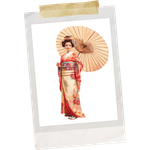
A photograph provides a clear visual focus for a human or animal recipient.
Place the photograph before you, hold it gently between your palms, or rest your hands above it. Invoke the symbols over the photograph and offer Reiki.
A full-body photograph can be used with approximate hand positions. Any photograph may also represent the recipient as a whole.
You may hold the photograph between your palms throughout the practice or move your hands gradually through the corresponding areas:
Head → Upper Body → Abdomen → Lower Body → Feet
The positions do not need to be exact. Reiki flows where it is needed for the recipient’s highest good.
2. The Written Name Method

A written name offers a simple point of focus when a photograph is unavailable or unnecessary.
Write the recipient’s name on a small piece of paper. You may also include an identifying detail or an intention they have shared with you.
For example:
Recipient: Alex Chen
Intention: Support during recovery
Reiki flows where it is needed for the highest good.
Place the paper before you, hold it between your palms, or rest your hands above it. Invoke the symbols over the written name and allow Reiki to flow.
The name usually represents the recipient as a whole. If you would like to use hand positions, place the paper upon or beneath a surrogate object.
3. The Surrogate Object Method

A cushion, soft toy, doll, folded blanket, or another neutral object may temporarily represent the recipient.
The object does not need to resemble them. Simply decide which end represents the head and which represents the feet.
Invoke the symbols over the surrogate. You may hold the object between your hands and offer Reiki to the recipient as a whole, or move through familiar hand positions as though the recipient were physically present.
If the recipient has mentioned a particular area, you may remain there longer before continuing through the whole body.
When the practice is complete, release the object from its symbolic role and return it to its ordinary use.
4. Hands as Surrogate

One hand—or even one finger—may temporarily represent the recipient. This compact method requires no photograph, paper, or separate object.
Choose one hand or finger to represent the recipient. Invoke the symbols over it and offer Reiki with your other hand.
You may treat the representing hand as the recipient as a whole, or allow its different areas to represent the body:
- Fingertips or upper section — head
- Fingers or upper palm — upper body
- Centre of the palm — abdomen
- Wrist or base of the hand — lower body and feet
Move your other hand through these areas if desired, pausing longer where support has been requested.
5. The Visualisation Method
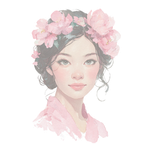
Visualisation uses a simple mental image of the recipient as the point of focus.
Bring the recipient gently into your awareness. The image may appear as a face, an outline, a complete form, or simply a quiet sense of their presence.
Invoke the symbols over the visualised recipient. You may offer Reiki to them as a whole or move your hands through broad areas corresponding to the head, upper body, abdomen, lower body, and feet.
The image may be clear or faint; it does not need to be detailed or remain visible throughout the practice. If visualisation does not feel natural, choose another method.
6. Reiki Between the Hands
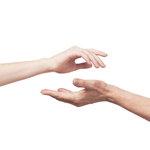
In this method, the space between your palms represents the recipient.
Hold your hands comfortably before you with the palms facing one another. Bring the recipient into your awareness and invoke the symbols between your hands.
You may allow the entire space to represent the recipient as a whole. Alternatively, rest one hand palm-up with the other above it and allow the space between them to represent the recipient’s body. The upper hand may move gradually through the corresponding areas if you wish to use hand positions.
There is no need to compress, push, or project energy between your hands. Allow Reiki to flow naturally within the connection.
7. The Direct-Intention Method
Direct intention allows you to offer Reiki without using a photograph, written name, surrogate, or visualisation.
This does not mean that intention replaces Hon Sha Ze Sho Nen. The symbol still establishes the distance connection; the practice simply does not use an external point of focus.
Bring the recipient’s name clearly into your awareness and invoke the symbols. Rest your hands comfortably, turn the palms upward, or allow them to face gently forward.
You may offer Reiki to the recipient as a whole or acknowledge an area included within their intention. In either case, Reiki goes where it is needed for their highest good.
If your attention wanders, quietly return to the recipient’s name and the Reiki connection.
8. The Reiki Box Method
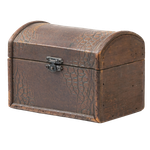
A Reiki box holds several written names, intentions, or situations for repeated distance Reiki practice.
Prepare one slip of paper for each recipient or situation. For a recipient, you may include:
- Their name
- Their stated intention
- The agreed duration or frequency of the practice
For a situation, write a short description and any relevant date.
Place the slips inside a small box. Hold the box between your hands or rest your hands above it, invoke the symbols, and offer Reiki to everything represented within.
Review the slips regularly. Remove a name when the agreed period has ended and remove an intention when it is no longer current. Keep all names and personal information private.
Across Time and Situations

Distance Reiki may also be offered in relation to a past experience, future event, or ongoing situation.
Identify the focus clearly. You may record a date or brief description on paper, place it inside a Reiki box, visualise it, or hold it through direct intention.
For example:
My first year at university
Upcoming journey
Family transition
Choose a distance method, invoke Hon Sha Ze Sho Nen, and offer Reiki for the highest good of everyone involved.
When the practice concerns another person, obtain their consent whenever reasonably possible. Reiki may support healing connected with a past experience, accompany a future event, or flow through an unfolding situation without the practitioner determining how it must resolve.
Whole Recipient or Hand Positions
Whichever distance method you choose, you may offer Reiki to the recipient as a whole, use a sequence of hand positions, or combine both approaches.
Offering Reiki as a Whole
After establishing the distance connection, allow Reiki to flow to the recipient’s whole being. There is no need to divide the recipient into separate areas or direct Reiki towards a particular place. Reiki goes where it is needed for the recipient’s highest good.
Using Hand Positions
If you prefer a more structured practice, you may move through broad hand positions as you would during an in-person session:
Head → Upper Body → Abdomen → Lower Body → Feet
Depending upon your chosen method, you may place your hands upon a surrogate, visualise each position upon the recipient, or hold each area gently in your awareness as Reiki flows.
You may use either approach on its own or combine them—for example, moving through the hand positions first and then completing the session by offering Reiki to the recipient as a whole.
Choosing and Combining Methods
Choose the method that feels clearest for the practice before you.
You might use:
- A surrogate when you want familiar hand positions
- Your hand or Reiki between the palms for a portable practice
- A Reiki box for several recipients or recurring intentions
- Visualisation or direct intention when you prefer no physical materials
Methods may also be combined when doing so keeps the practice clear.
For example, you may:
- Place a photograph or written name upon a surrogate
- Hold a written name between your palms
- Place a photograph or intention inside a Reiki box
- Begin with a photograph and continue with Reiki between your hands
- Begin with a physical focus and continue through direct intention
Combining more methods does not make Reiki stronger. Use only what supports a natural, steady practice.
Reflection
- What establishes the connection during distance Reiki?
- What purpose does a photograph, written name, surrogate, or other method serve?
- Which distance Reiki method feels most natural for you to explore first?
Optional Practice Companion
Distance Reiki becomes familiar through practice rather than explanation alone. The journal below offers a quiet, guided space to explore the methods in this chapter, observe your experiences, and allow your own way of practising to emerge.

Across Distance
Across Distance: A Guided Reiki Level 2 Distance Practice Journal is a 22-page printable companion for bringing these teachings into practice.
It guides you through:
- The complete five-symbol distance sequence
- Eight distance Reiki methods
- Consent and intention
- Reiki across space and time
- Whole-recipient Reiki and broad hand positions
- Choosing and combining methods
- Session length and structure
- Guided distance Reiki reflection
The manual teaches the methods; the journal gives you a beautiful, dedicated place to practise them, compare your experiences, and discover which forms feel most natural and sustainable.
The Path Ahead

The outward form may change, but the essence remains simple: Hon Sha Ze Sho Nen establishes the connection, you become a clear conduit, and Reiki flows where it is needed.
In the next chapter, these elements come together within a complete distance Reiki session—from preparing the practice to closing and releasing the connection.
Reiki Level 2 Manual

- Chapter 1 — Entering Level 2
- Chapter 2 — Cho Ku Rei: The Power Symbol
- Chapter 3 — Sei He Ki: The Mental and Emotional Symbol
- Chapter 4 — Hon Sha Ze Sho Nen: The Distance Symbol
- Chapter 5 — Distance Reiki Methods
- Chapter 6 — Structuring a Distance Reiki Session
- Chapter 7 — Level 2 Practice & Certification
Come as you are.
Learn what calls to you, move at your own rhythm,
and return whenever you need a quieter place to begin again.